

About me
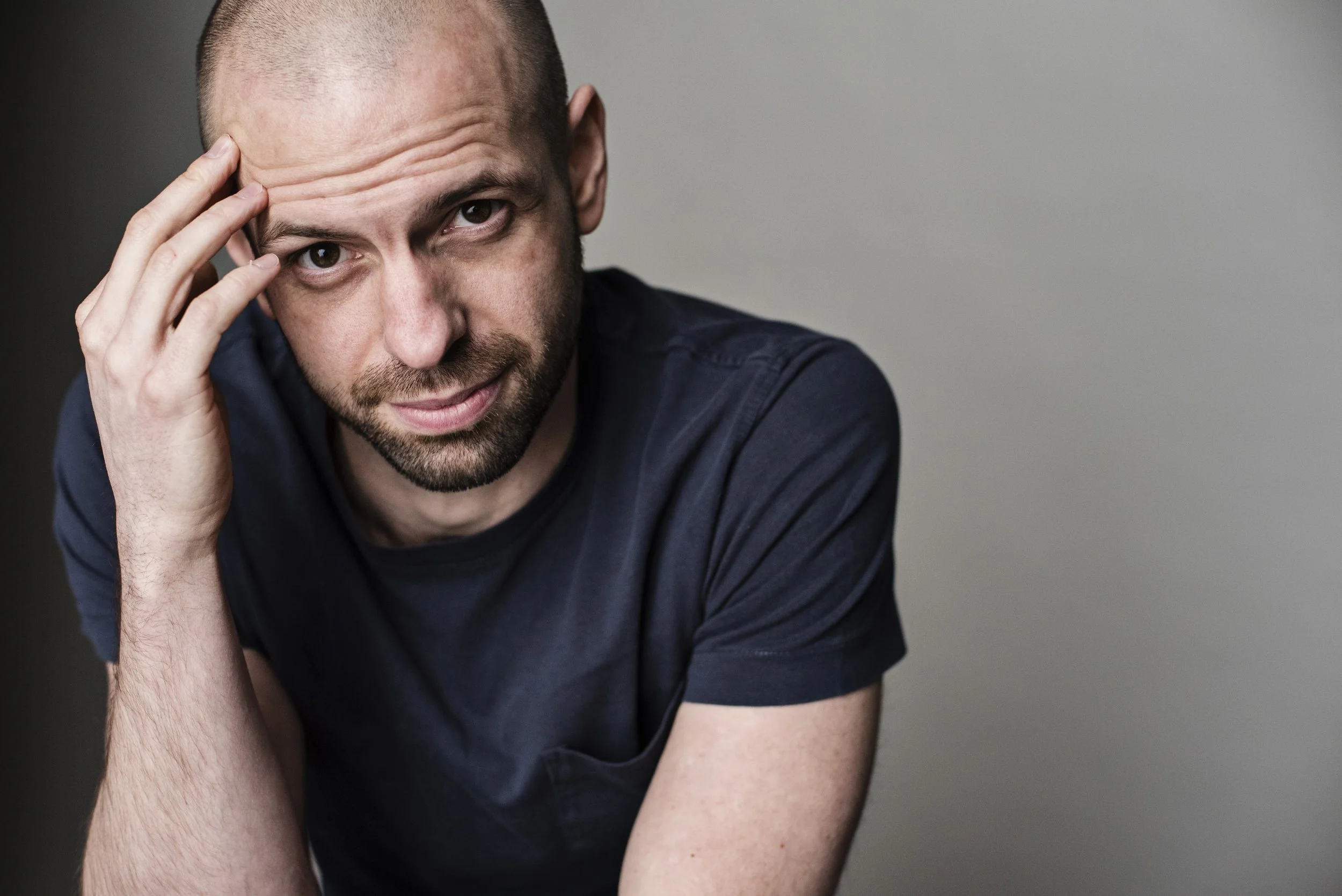
When choosing a therapist, I believe it can be helpful to know something about what drew them to their work.
After nearly twenty years working in the arts, I found myself wanting a new challenge—but one that maintained the values and interests that made that career so meaningful. Reflecting on this, I realised what had mattered most to me was storytelling, communication, collaboration, and creativity; exploring conflict, relationships, meaning, and motivation; examining people’s sense of themselves and others, and understanding their place in the world.
Pursuing these interests initially led me to the idea of becoming a therapist and, eventually, an existential therapist.
What on earth is an existential therapist?!
In practice, it’s a way of working that means I encourage your reflection not only on what your challenges are and why they exist, but also how they exist – that is, how they are uniquely experienced by you.
We might examine them through the lenses of identity, meaning, choice, and uncertainty; explore how your present experiences are influenced by narratives you hold about your past and imagined future; and consider how these past, present and (imagined) future experiences shape your relationship with others, yourself, and the wider world.
A trusting therapeutic relationship is at the heart of this process. I aim to provide a safe, supportive environment in which difficult thoughts, feelings, and experiences can be explored openly and confidentially. I see therapy as a collaborative endeavour. I won’t simply sit in silence, nor will I offer advice or tell you what to do.

I will:
Listen with compassion, curiosity, and empathy.
Help you understand and make sense of your experiences, difficult feelings and emotions.
Notice and explore recurring themes and patterns.
Encourage self-compassion and a more accepting relationship with past choices.
Help you clarify and question your values, beliefs, and assumptions.
Explore ways of responding to and coping with life’s challenges.
Help illuminate choices and possibilities for living.
I trained at The New School of Psychotherapy and Counselling, one of Europe’s leading institutions for training and research in existential psychotherapy, graduating with a Master’s in Psychotherapy Studies and a Diploma in Existential Psychotherapy. I am thrilled that I have now returned to the school as a tutor for the same courses alongside my private pra
Before qualifying, I volunteered at The Listening Place, a charity offering ongoing, in-person support for people experiencing suicidal feelings. This was formative in my development as a therapist, demonstrating the value of listening without judgement to someone sharing their deepest struggles.
My experience and qualifications
Building on this foundation, I gained extensive clinical experience over nearly four years at the Centre for Better Health in East London, as well as a year at the Claremont Project in North London. Working with adults facing a wide range of difficulties helped me develop an approach that continues to evolve through my work in private practice.
I am a registered member of the UK Council for Psychotherapy (UKCP) and an Accredited Clinical Member of the Universities Psychotherapy and Counselling Association (UPCA).

If you’d like to arrange a free 20-minute introductory session to see whether working together feels right for you, please get in touch.